
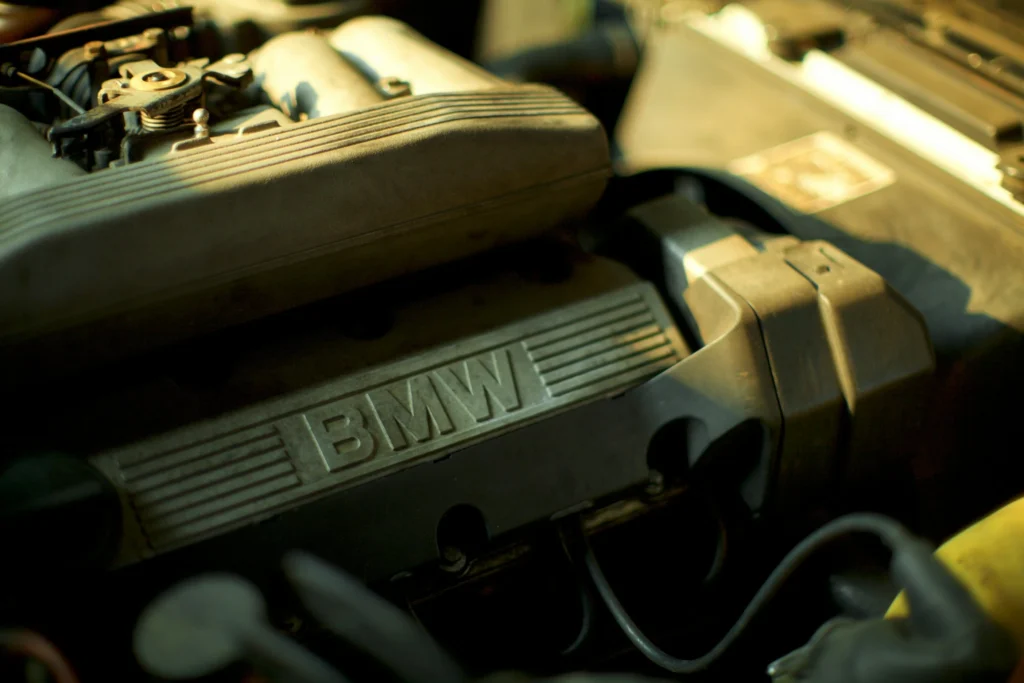
 Engine & Oil
BMW Spark Plug Change: What Nobody Tells You Before You Do It
Save hundreds in workshop costs. Learn to replace BMW spark plugs at home with the right tools and technique.
CarFixedExpert helps everyday drivers diagnose car problems, understand maintenance schedules, and fix common issues with clear step-by-step guides. Free, accurate, and easy to follow.
Find step-by-step guides organized by the part of your car that needs fixing.
Oil changes, spark plugs, misfires, and engine maintenance guides
15+ GuidesDead battery, alternator issues, wiring, and electrical fixes
10+ GuidesTire rotation, alignment, pressure, and suspension repair guides
9+ GuidesRadiator, coolant, thermostat, and overheating solutions
6+ GuidesFuel filter, air filter, fuel pump, and injector cleaning guides
8+ GuidesWaxing, interior cleaning, brake pads, and all-round DIY tips
12+ GuidesOur most recently published repair guides and maintenance tips.
Engine & OilSave hundreds in workshop costs. Learn to replace BMW spark plugs at home with the right tools and technique.
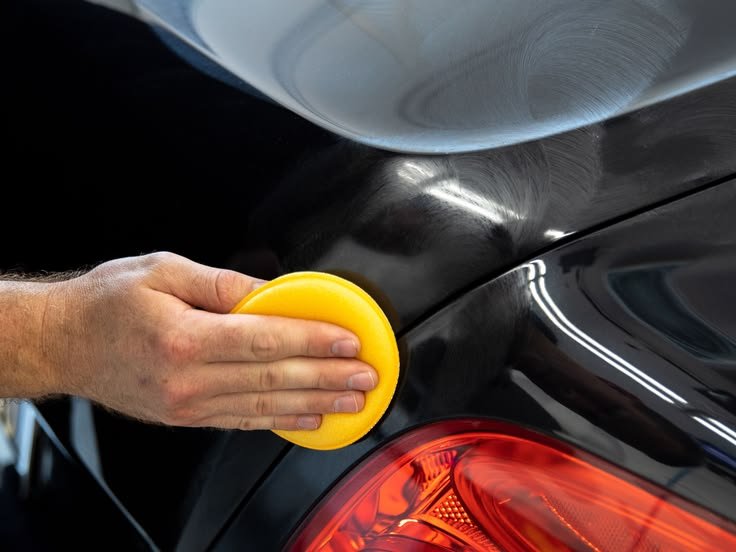 DIY Maintenance
Get showroom-quality shine from your driveway. Works with or without a buffer machine.
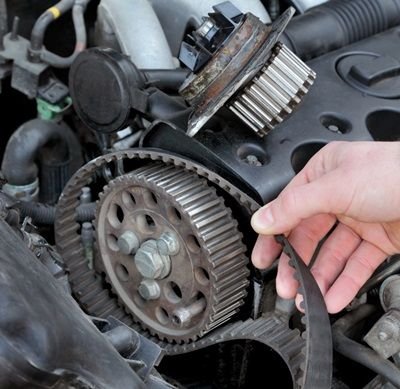 Engine & Oil
Replacement intervals, warning signs, costs, and DIY tips in one comprehensive guide.
We are car owners who learned to fix things ourselves and share that knowledge clearly and honestly.
Every guide is backed by real-world testing, manufacturer manuals, and verified mechanical knowledge.
We focus on what actually works in your driveway, not theory. Written for real situations.
Step-by-step numbered instructions anyone can follow, even with zero mechanical experience.
All guides are reviewed and updated regularly so you always get accurate, current information.
Car Fixed Expert was built with one goal: help everyday car owners understand their vehicles without needing an expensive mechanic for every little thing.
We cover everything from diagnosing warning lights to full maintenance schedules, written in plain language any driver can follow regardless of experience level.
Our content is researched carefully, tested where possible, and written for car owners who want accurate information without the jargon.
The most-read automotive guides on CarFixedExpert right now.
Click a question to read the full answer instantly.
The most common causes are uneven tire pressure, wheel misalignment, or uneven brake wear. Start by checking tire pressures on all four wheels. If equal and pulling continues, you likely need a wheel alignment. Worn brake pads on one side can also cause pulling specifically when braking.
Brake pads typically last 40,000 to 70,000 km depending on driving style. City driving wears pads much faster than highway. Signs you need new pads: squealing noise when braking, longer stopping distances, grinding metal-on-metal sound, or a pulsating pedal. Never ignore brake noises as worn pads quickly damage rotors.
Most commonly: low coolant level, faulty thermostat, failed water pump, blocked radiator, or blown head gasket. If your temperature gauge hits red, pull over and switch off immediately. Never open the radiator cap while hot. Let it cool fully, then check the coolant reservoir.
Three main causes: old battery that can no longer hold charge (3 to 5 year lifespan), faulty alternator not charging while driving, or a parasitic drain where something draws power when the car is off. A quick battery and alternator test at most auto parts stores will identify the exact problem within minutes.
Synthetic oil cars: every 10,000 to 15,000 km. Conventional oil: every 5,000 to 8,000 km. Always check your owner manual for the exact recommendation. Warning signs: oil warning light on dashboard, dark or gritty oil on the dipstick, low oil level, or louder engine noise at startup than normal.